Ever since he was a young man, long before designing parks ever came into the picture, Frederick Law Olmsted wanted to understand and explain to the outside world what it meant to live a life in a democratic land.
He thought and wrote about the topic often and bristled at European authors, like Charles Dickens or Anthony Trollope, who came over for a few months and returned with nothing nice to say.
When Olmsted wrote about what made up a democratic life in America, though, he didn’t get into a discussion about elected officials, checks and balances, or the sanctity of the U.S. Constitution. He wrote about how everyday people connected with one another on a daily basis. Though I don’t think he would have put it this way, he didn’t see America as a nation of laws, so much as a nation of people—very different people who all needed to get along and work together. The nation could not be strong, if our communities did not sustain everyone.
He grew to believe that rather than guard against bad behavior with law enforcement, it was preferable to cultivate good behavior with an abundance of parkland and well-planned cities.
When Olmsted considered how to improve the nation after the Civil War—how to integrate freed slaves into the country and end the slavery mindset in America—he did not run for office. At one point, he was even nominated to be Vice President, but he quickly declined. Though he claimed to not have sufficient experience, I think he refused because he thought he could do more to improve American democracy as an artist and park builder than as a politician.
Olmsted thought America’s democracy ran far deeper than the moments citizens spent in the voting booth. While critical to a successful democracy, being able to vote was and is no defining distinction—monarchists with a parliamentary government also vote for their leaders. So do Communists and Socialists. So, what makes living in the American democracy any different?
Olmsted believed that democracy in America was found in the actions of everyday people going to school and making a living. Not always, but quite often during these pursuits, Americans had a knack for treating total strangers with dignity and kindness. Class, race, nationality, gender—none of it was a prerequisite for being considered an equal. He designed parks across the country for the express purpose of cultivating that impulse.
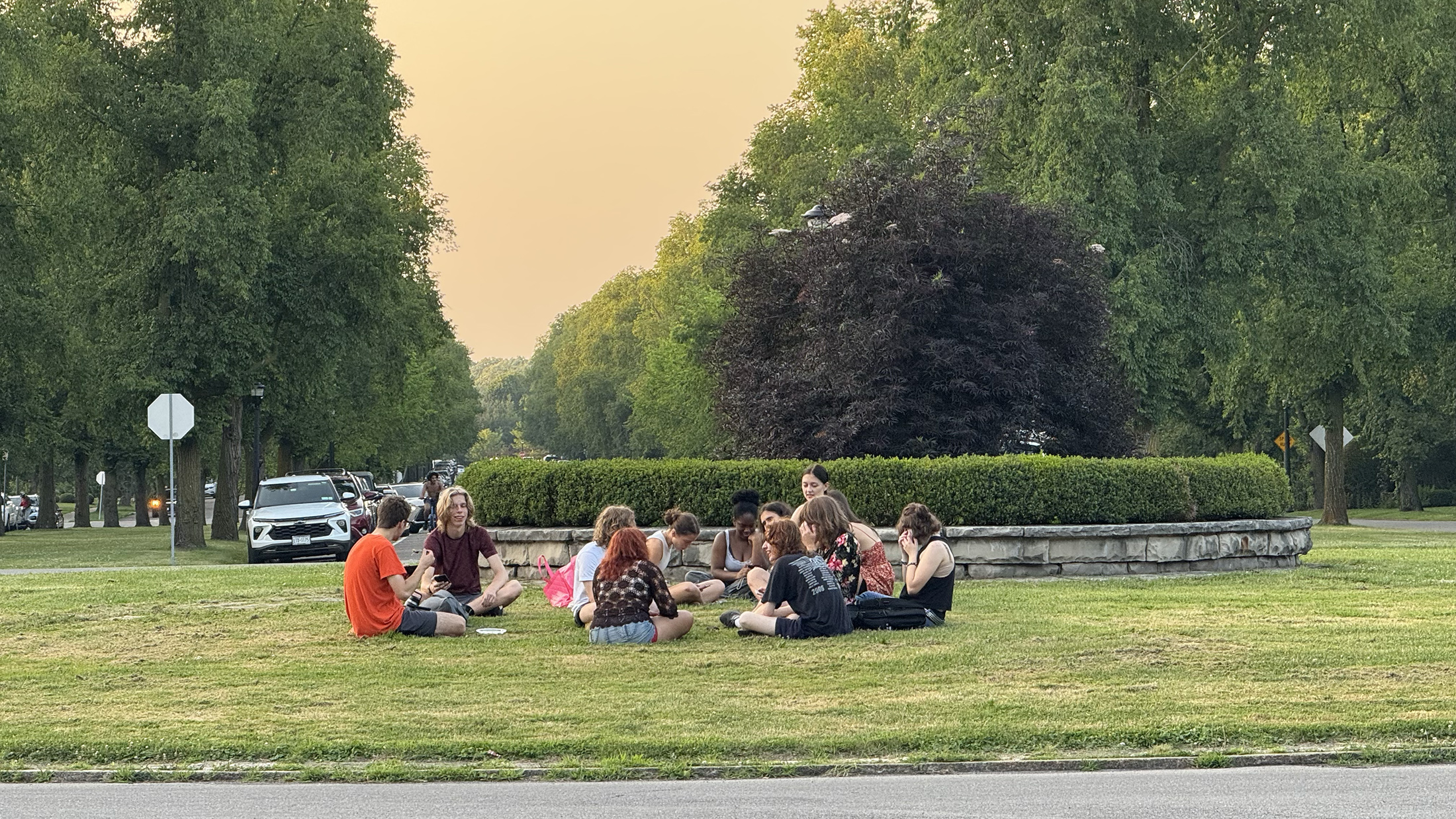
You don’t even have to look very hard to find his parks are still operating as intended. Go see for yourself, and bring a blanket and a picnic.