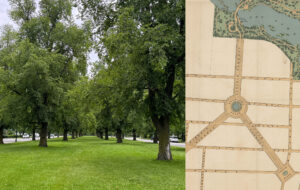
This year, I’ve spent a lot of my time in public parks.
Many whole days I’ve spent wandering, exploring, and looking for the best vantage points from which to photograph my panoramas. All told, I spent about a month this year documenting six complete Olmsted parks, and I chipped away at capturing three others. With parks acting as my work place, I’ve found great satisfaction in spending time with my anonymous colleagues, the other park visitors. They’re an excellent bunch of people.
In urban centers across New York, Connecticut, and Massachusetts, I’ve encountered thousands of strangers, and everyone across the vibrant spectrum of parks has been respectful, if not outright kind. I’ve seen dozens of balls returned to games of catch. I’ve watched hundreds of encounters between children and dogs negotiated. I’ve walked past many empty blankets and abandoned picnic baskets left alone by passersby as the owners are off frolicking elsewhere.
As division, fear, and hate have reigned outside the park walls in 2025, I’ve watched democracy alive and well, skipping in bare feet on the lawns of our public spaces.
Though nation-wide parks are certainly under heavy assault—seeing their funding disappear, employees let go, and spaces threatened with private use—as a refuge from the despair our modern world breeds, it’s been reassuring to me to see that those public parks that remain open are resilient and continue to function as their designers intended. As we saw during COVID, I would not be at all surprised to hear park attendance dramatically increased in the past twelve months as our laws and institutions continue to rupture.