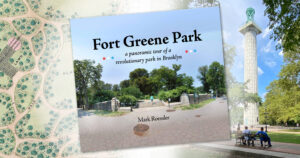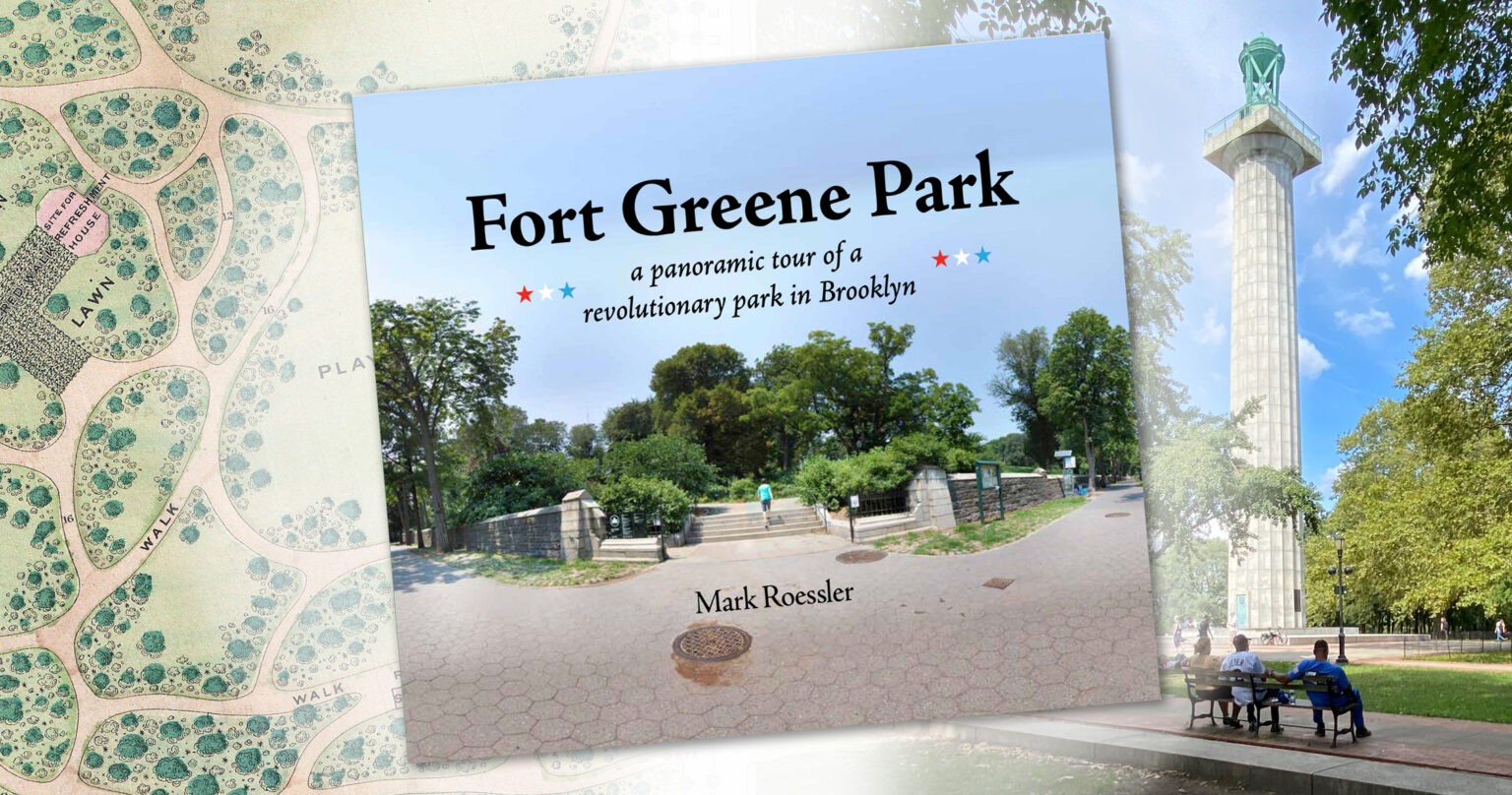

Fort Greene Park
a panoramic tour of a revolutionary park in Brooklyn
By Mark Roessler, Published by Levellers Press
8” x 9.5”
126 pages, softcover
In a city with colossal, world-famous public parks, it’s no surprise that Fort Greene Park in Brooklyn is sometimes overlooked as an important Olmsted work. A postage stamp of green in a vast grid of brownstones, businesses, and other buildings, even most New Yorkers only vaguely know of it. For the community it serves, though, the park is a slice of paradise.
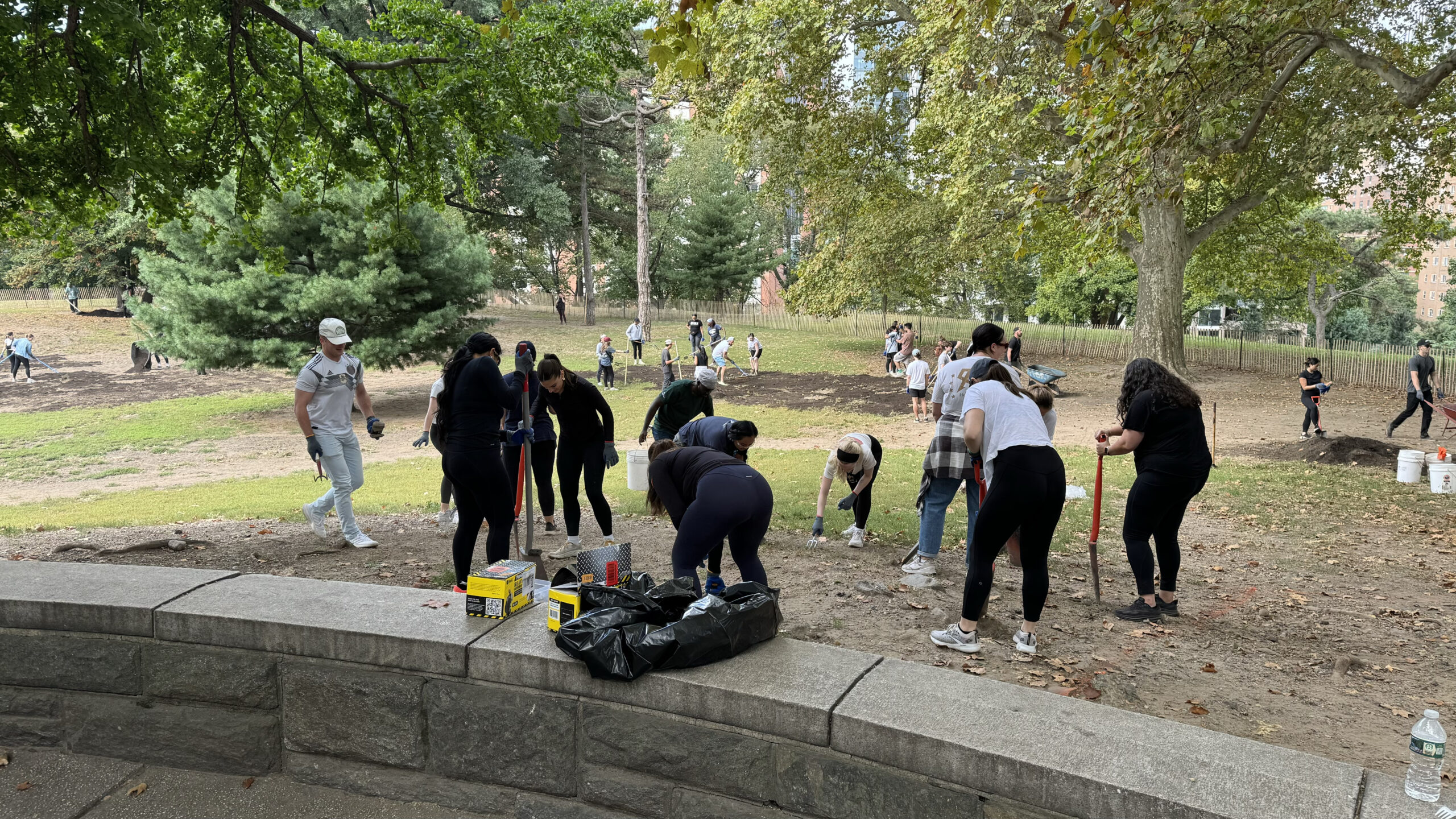
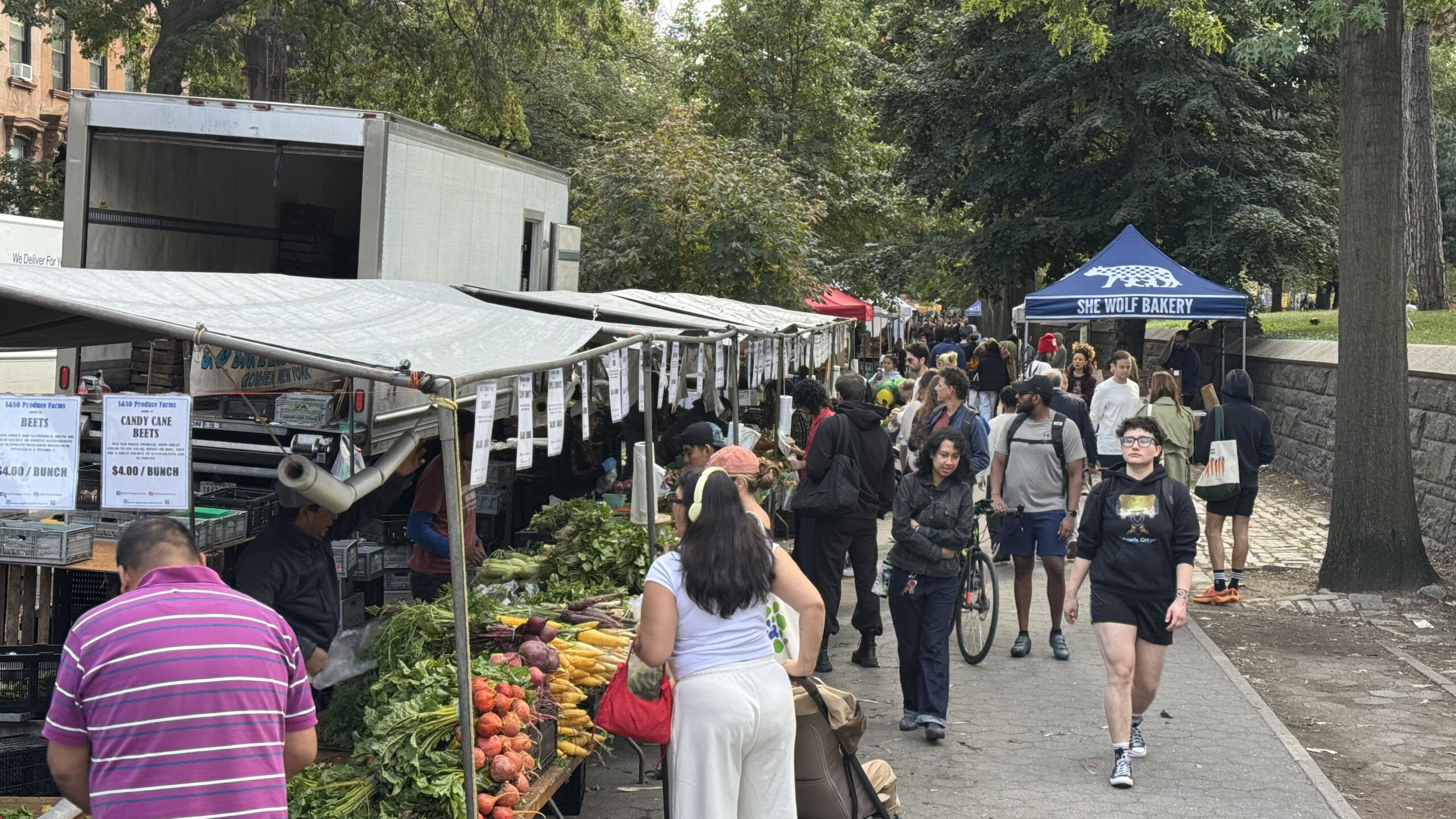
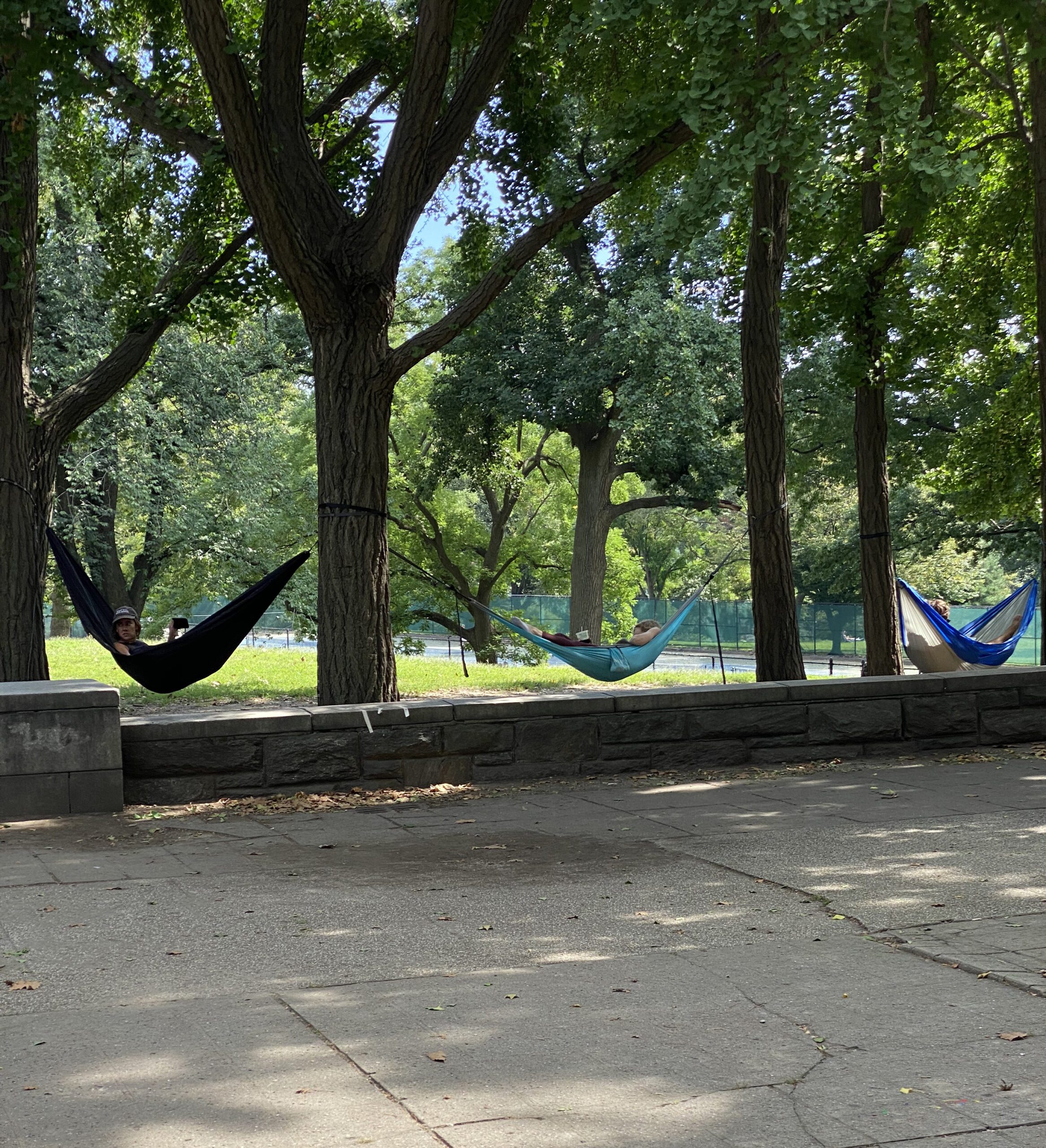
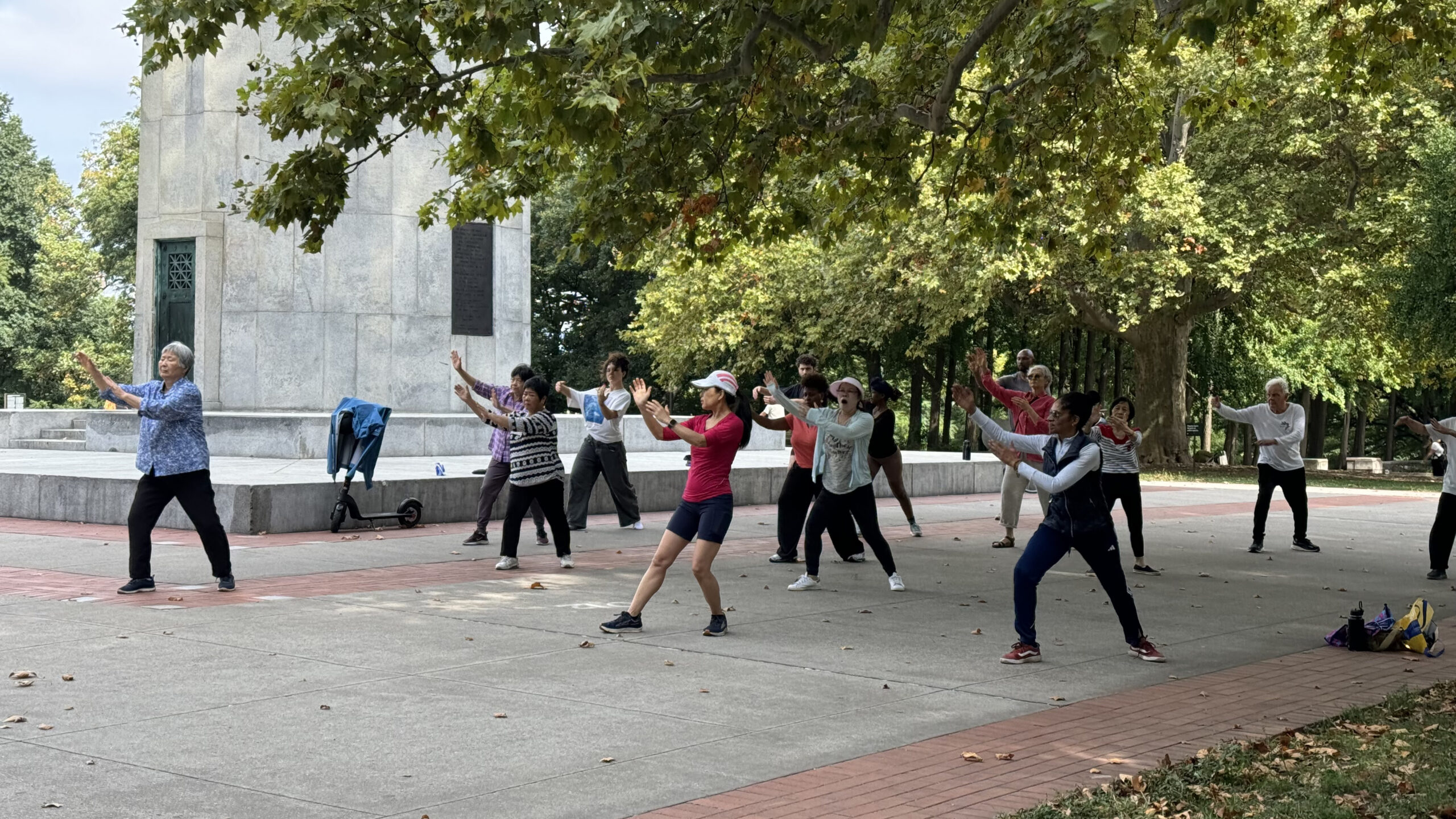
Mark Roessler’s new book of panoramic photographs takes readers on a tour of the historic park. Walking the paths through his panoramas, readers will see both the vibrancy of the park today, and learn how it was created by Frederick Law Olmsted and Calvert Vaux to strengthen a community. Through an innovative design, Roessler’s nonfiction book reads in either direction. Follow marked routes, or skip around the park, going wherever you please.
This year, in addition to being America’s 250th anniversary, the Fort Greene Park Conservancy celebrates its 25th year. The author argues that because of its size, Fort Greene Park is as important as the much larger forerunners. Further, it’s a revolutionary park in a number of ways.
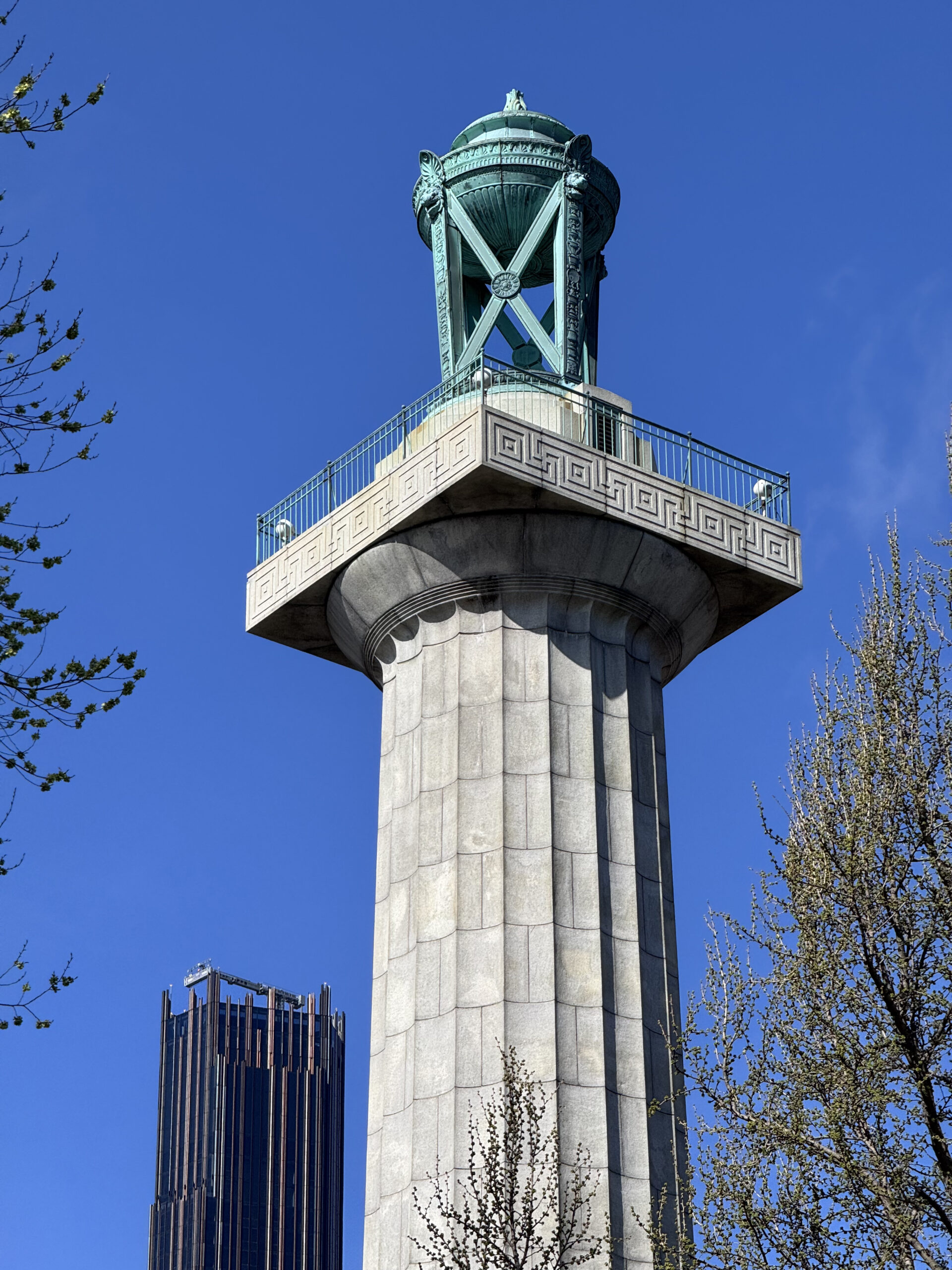
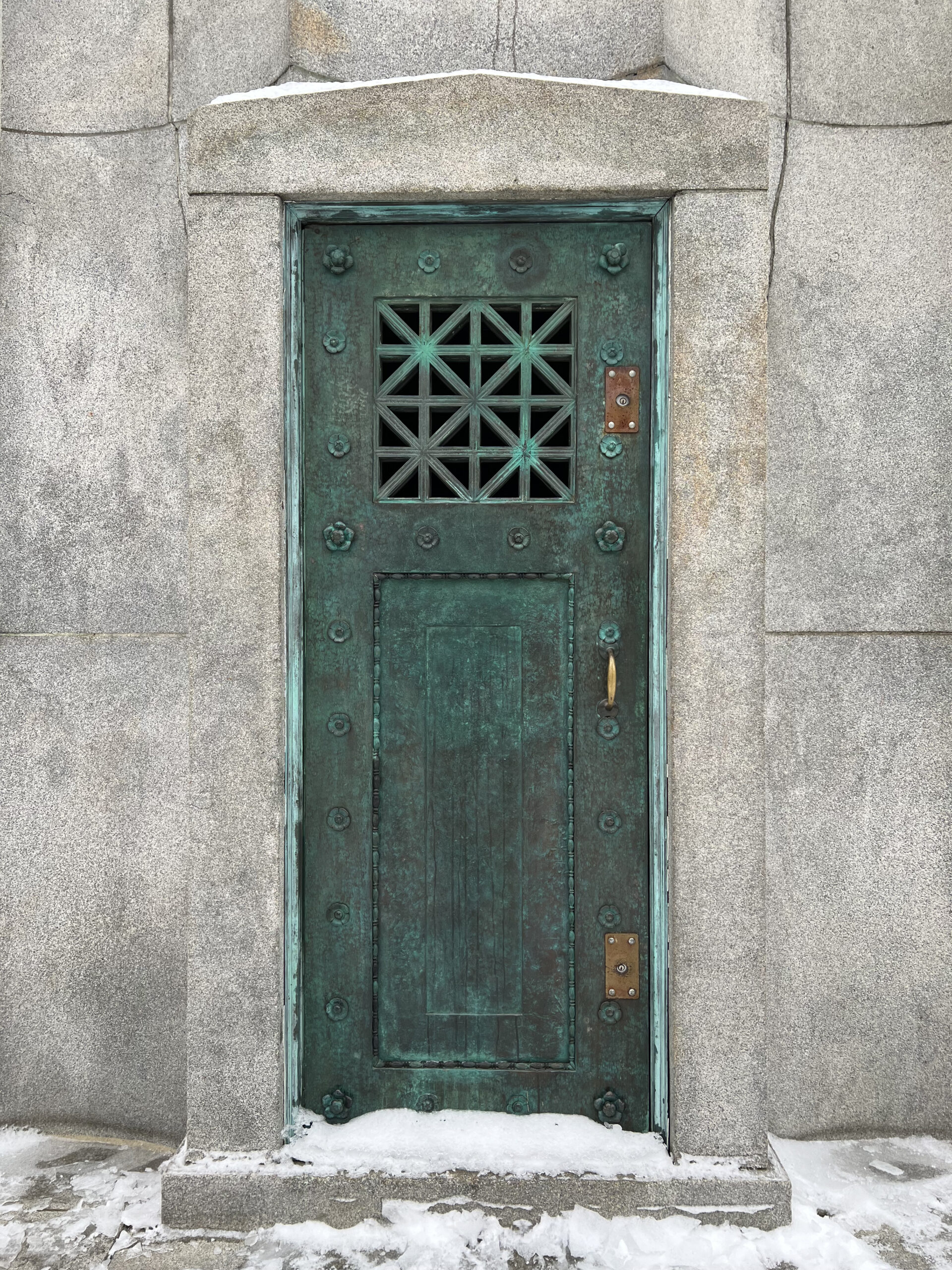
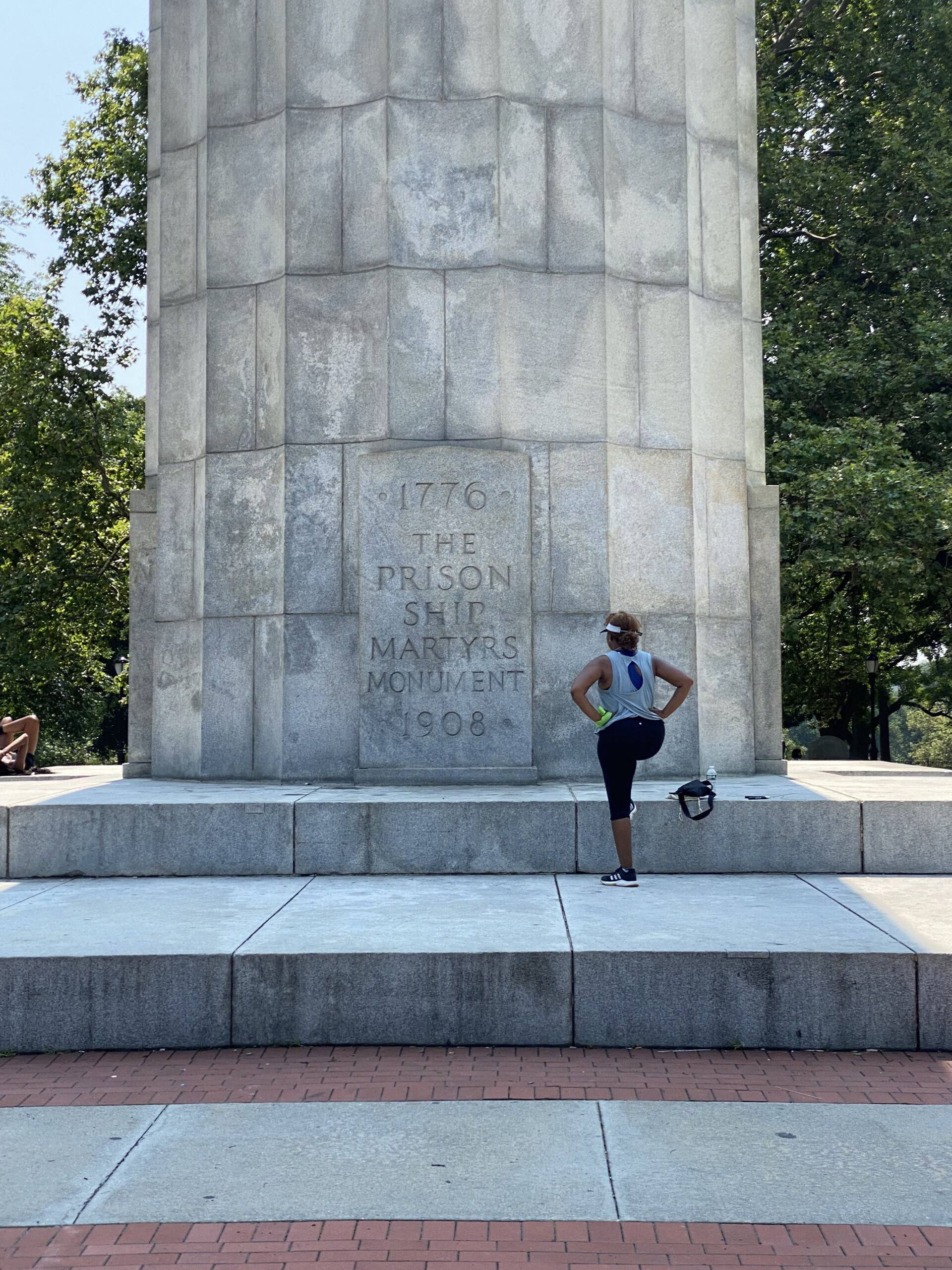
Most obviously: The Prison Ship Martyrs Memorial that stands at the top of the hill at the center of the park honors those who died on the British prison barges in the harbor. Many were American soldiers who had been captured during the Battle of Brooklyn, among the first major conflicts of the Revolutionary War. Others in-prisoned were ordinary New Yorkers: men, women, and possibly children who died awaiting trials that never came. Their remains—an estimated 11,500 bodies—are held in a crypt below the memorial. For sake of comparison, this is nearly twice the number of estimated soldiers killed during the war.
Olmsted and Vaux had a revolutionary vision for public parks. They saw them as democratic spaces. Designed as wildernesses, parks were where city dwellers could find relief from the industrial, commercialized world. There, on the lawns and paths, people could interact with strangers as equals. Instead of an abstract concept, their parks would make democracy a place you could visit.
Working as partners after the war, the pair hoped what they built in Brooklyn would provide a template for what was to follow across the country. They believed their parks might help save the country from the deep divisions that still threatened it. Prospect Park was a refinement on Central Park, but Fort Greene Park was something entirely new.
At only 30 acres, Frederick Law Olmsted wasn’t sure at first whether it was even big enough to be called a proper park. Even so, in 1867, a year after presenting their plan for Prospect Park, they delivered a plan for Fort Greene Park to the Brooklyn Park Commissioners. The park was the designers’ third park project together, and it was the first one finished.
A century and a half later, the park shows Olmsted didn’t need to worry about its size. As is captured in Roessler’s tour of the park, he and Vaux were able to take the components that worked in their giant parks and make them work on a much smaller scale. Despite the somber seriousness of the memorial, the towering column and stairs leading to it are framed by shade trees and cloaked in abundant lawn. Through the efforts of the Fort Greene Park Conservancy today, everywhere on the slopes of the hill, there are people enjoying the grass, paths, and benches.
Many cities could not afford a Central Park or didn’t have the land available. For Olmsted and Vaux to be able to build a career and realize their vision, they needed to be able to scale their work and adapt it to a wide variety of landscapes. While Olmsted is known for his major works, he designed more than 40 parks in his lifetime, and his sons went on to build hundreds more. Most of these were on the scale of Fort Greene Park and shared elements pioneered there.
Mark Roessler’s book illustrates Fort Greene Park’s history and enduring beauty by bringing readers actually inside the park, showing them how it works, and letting them wander at will. Whether you’ve spent time in the park, or this is your first visit, Fort Greene Park will be a book you want to explore again and again. It will be available on October 28.
This is Mark Roessler’s fifth book, and it’s his third on Olmsted. He is currently working to document all of Olmsted’s more than forty public parks with panoramic photography, video, and essays. His work appears online at www.panorambles.com. Last year, Levellers Press published Fairsted, Reflections on how Olmsted helped heal a fractured democracy. He lives in Western Massachusetts.
Related